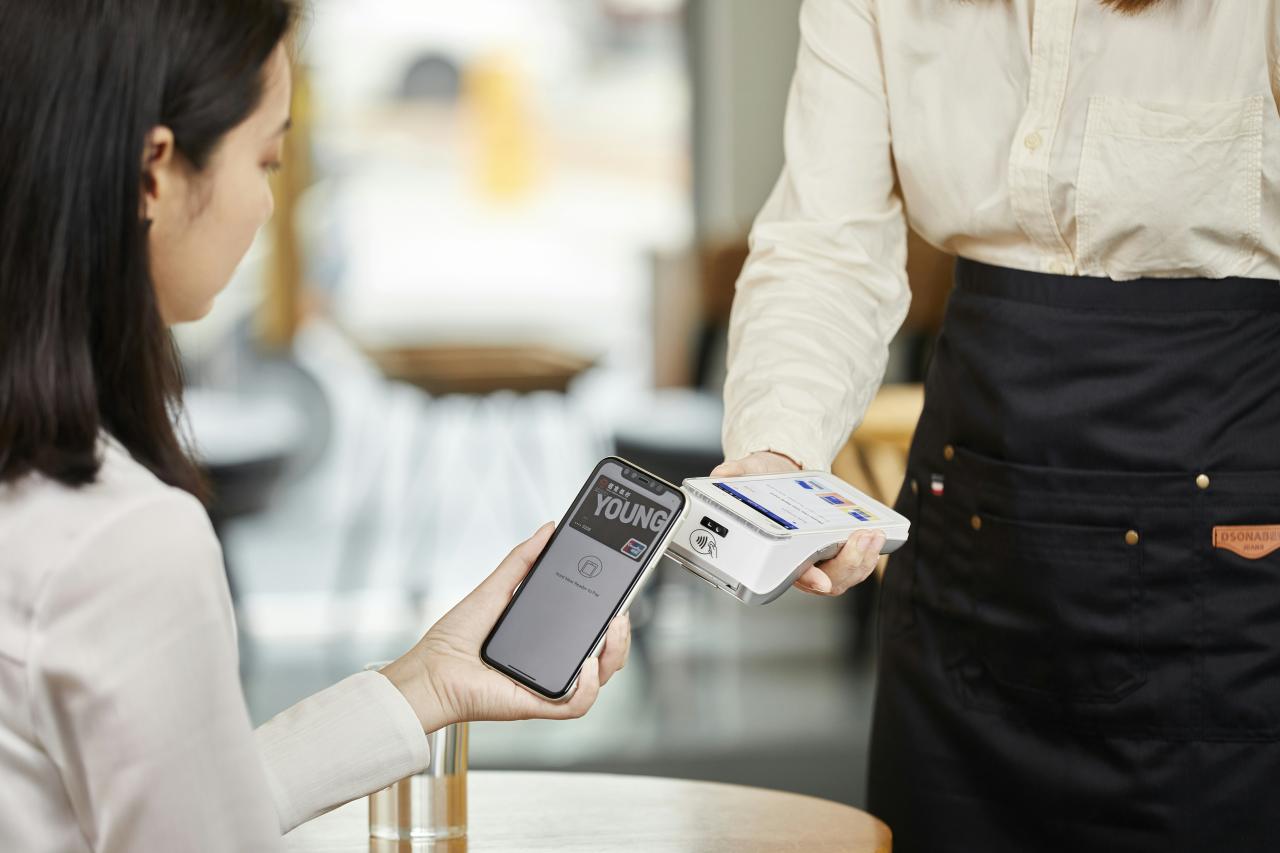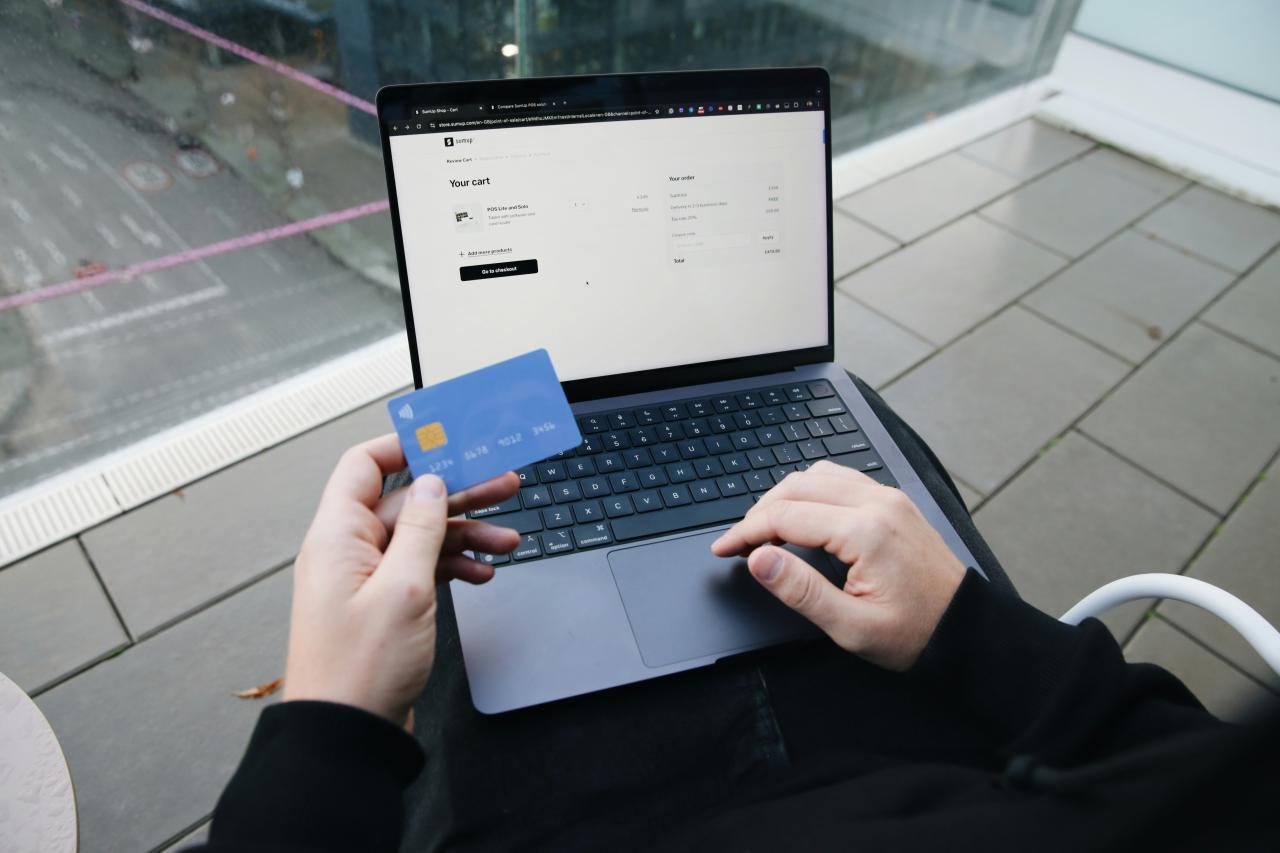
The digital revolution has transformed the global marketplace into a twenty-four-hour engine where transactions happen every millisecond across every continent. For many decades, business owners struggled with physical payment processing that required clunky hardware and manual verification of every single customer’s credit card.
This traditional model of commerce often led to significant delays in cash flow and high risks of physical theft or human error during the settlement process. However, the emergence of advanced online payment gateways now allows even the smallest startup to accept secure global payments with just a few clicks.
This transition represents a monumental shift from a localized, slow-moving economy to a high-speed digital ecosystem that prioritizes both speed and consumer safety.
We are entering an era where sophisticated encryption and real-time fraud detection serve as the primary foundations for building trust with an international customer base.
This innovation addresses the critical challenge of payment friction by providing a seamless checkout experience that protects sensitive data while ensuring immediate fund distribution.
By mastering the selection and implementation of a secure gateway, you can transform your website from a simple digital brochure into a powerful, revenue-generating machine.
This article explores the most effective and proven strategies to secure your online transactions while optimizing your company’s long-term financial health and operational agility.
The Fundamental Role of a Payment Gateway
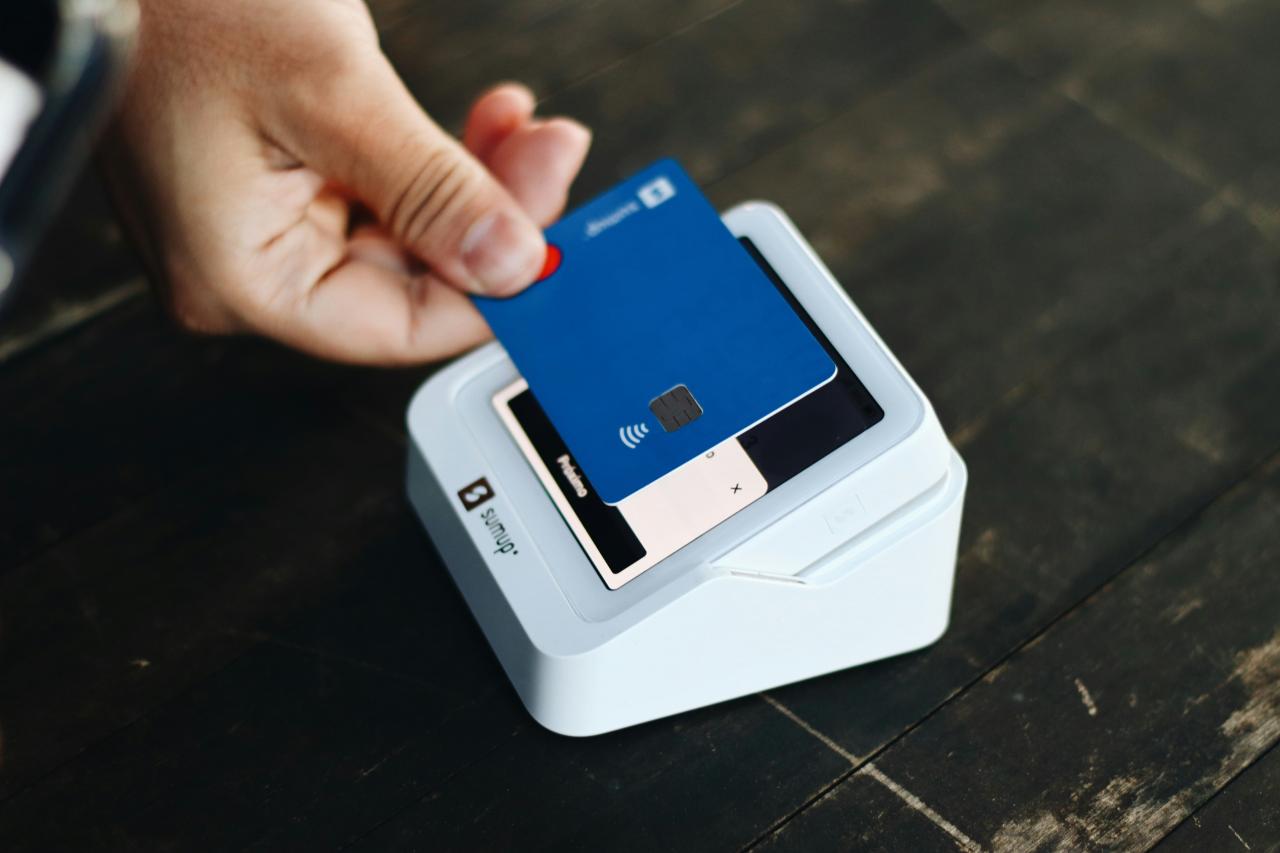
A payment gateway acts as the secure bridge between your website and the financial institutions that authorize transactions and move money into your account. Think of it as a digital version of the physical card reader you see in a grocery store, but with much higher levels of security and data processing.
I believe that “transactional integrity” is the best way to solve the problem of customer hesitation when they reach your checkout page.
You solve the problem of abandoned carts by choosing a gateway that provides a familiar, fast, and highly secure interface that reassures the buyer. This perspective turns your payment processor into a silent partner that builds your brand’s reputation for safety and professional reliability.
A. Secure Data Encryption
Gateways use advanced protocols like Point-to-Point Encryption (P2PE) to scramble sensitive credit card data as it travels across the internet. This ensures that even if a hacker intercepts the information, they cannot read it or use it for fraudulent activities.
B. Authorization and Settlement
The gateway communicates with the customer’s bank in real-time to ensure they have enough funds and that the card is valid. Once authorized, the gateway facilitates the movement of that money into your merchant account, completing the sale in seconds.
C. Compliance and Legal Standards
High-quality gateways handle the heavy lifting of PCI-DSS compliance, which is a set of strict security standards required for any business that handles credit card info. This removes a massive legal burden from your shoulders and reduces your liability in case of a data breach.
Navigating Fraud Prevention and Risk Management
Modern payment gateways do more than just process money; they actively defend your business against sophisticated digital criminals and “friendly fraud” disputes.
They use machine learning to analyze thousands of data points, such as IP addresses and buying patterns, to stop suspicious transactions before they hurt your bottom line. My new perspective is that “proactive defense” is the secret to solving the problem of expensive chargebacks that can drain a company’s profit margin.
You solve the problem of revenue loss by setting custom risk parameters within your gateway to block high-risk countries or suspicious card-testing attempts. This perspective allows you to scale your global sales confidently, knowing that your digital front door is guarded by world-class security algorithms.
A. Address Verification Service (AVS)
This tool checks if the billing address provided by the customer matches the one on file with the card-issuing bank. A mismatch can trigger a flag, helping you identify potential identity theft before you ship a valuable product.
B. Card Verification Value (CVV) Checks
Requiring the three-digit code from the back of the card ensures that the customer has the physical card in their hand. This simple step stops many criminals who have purchased stolen card numbers but do not have the physical plastic.
C. 3D Secure 2.0 Integration
This protocol adds an extra layer of authentication, often requiring the customer to verify the purchase through their banking app or a text message. It shifts the liability for fraud from the merchant to the bank, saving you from the financial sting of chargebacks.
Optimizing the Global Checkout Experience
If you want to sell to the world, your gateway must support multiple currencies and the local payment methods that international customers prefer to use. A shopper in Europe might prefer a direct bank transfer tool, while a customer in Asia might want to pay via a specific digital wallet.
I suggest that “payment inclusivity” is the ultimate tool for solving the problem of low international conversion rates. You solve the problem of “cultural friction” by offering a localized checkout experience that feels native to the customer regardless of their location.
This perspective treats your payment page as a global expansion tool that removes the barriers between your product and a worldwide audience.
A. Multi-Currency Processing and Display
A top-tier gateway allows customers to see prices and pay in their own currency while you still receive the funds in your local bank account. This transparency prevents “sticker shock” from hidden exchange fees and builds deeper trust with your international buyers.
B. Local Payment Method (LPM) Support
Integrating local options like iDEAL, Giropay, or popular mobile wallets can increase your conversion rate by over twenty percent in certain regions. Providing the methods your customers already trust makes the decision to buy much easier and faster.
C. Dynamic Language Localization
The gateway should automatically detect the user’s location and display the checkout instructions in their native language. This small detail significantly reduces confusion and ensures that customers feel comfortable entering their financial information.
Integrating Payment Gateways with Business Software
Your payment gateway should not exist in a vacuum; it needs to talk to your accounting software, your CRM, and your inventory management system. Seamless integration ensures that every sale is automatically recorded, taxes are calculated, and stock levels are updated without any manual data entry.
I believe that “ecosystem connectivity” is the secret to solving the problem of administrative bloat that often slows down successful mid-market firms.
You solve the problem of “data silos” by choosing a gateway that has native plugins for popular platforms like Shopify, WooCommerce, or NetSuite. This perspective allows your finance team to focus on high-level strategy rather than spending hours reconciling bank statements every month.
A. Automated Bookkeeping Sync
Every transaction, including fees and refunds, flows directly into your ledger in real-time. This ensures your financial statements are always accurate and ready for tax season or investor reviews without any extra effort.
B. Real-Time Inventory Updates
The moment a payment is confirmed, the system deducts the item from your digital warehouse. This prevents the “over-selling” of products and ensures that your website always reflects the actual stock you have available to ship.
C. Customer Insights and CRM Data
Linking your gateway to your CRM allows you to see the lifetime value of every customer and identify your most profitable buyers. This data is gold for your marketing team, allowing them to create targeted campaigns that drive higher ROI.
Managing Recurring Billing and Subscriptions
For businesses that offer subscription services or memberships, the gateway must handle automated recurring billing securely and reliably. It needs to store customer payment data in a “vault” and attempt to charge the card on a specific schedule every month or year.
My perspective is that “automated retention” is the best way to solve the problem of high churn rates caused by expired credit cards or failed payments. You solve the problem of lost subscription revenue by using a gateway with “account updater” features that automatically refresh expired card details.
This perspective turns your recurring revenue into a predictable, rock-solid foundation for your company’s long-term financial planning.
A. Tokenized Payment Vaulting
Storing “tokens” instead of actual card numbers ensures that even if your website is compromised, the hackers cannot steal your customers’ financial data. This is the gold standard for long-term security in any subscription-based business model.
B. Flexible Billing Cycles
A professional gateway allows you to offer weekly, monthly, or annual plans, along with free trials and one-time setup fees. This flexibility helps you attract more customers by offering pricing structures that fit their specific budgets.
C. Failed Payment Dunning Management
The system can automatically retry failed cards and send polite email notifications to customers to update their info. This “dunning” process recovers a significant amount of revenue that would otherwise be lost to simple technical issues.
Evaluating Transaction Costs and Fee Structures
Payment gateways typically charge a combination of a percentage of the sale plus a small flat fee for every transaction processed. Some also charge monthly maintenance fees, setup fees, or additional costs for specialized features like advanced fraud protection.
I suggest that “margin-aware selection” is the ultimate tool for solving the problem of “fee creep” that can quietly eat away at your net profit.
You solve the problem of expensive processing by calculating your “total cost of ownership” for each gateway based on your specific average order value. This perspective ensures that you aren’t just choosing the most famous brand, but the one that leaves the most money in your pocket.
A. Flat-Rate vs. Interchange-Plus Pricing
Flat-rate pricing is simple and predictable, while interchange-plus is often cheaper for high-volume merchants with large transaction amounts. Understanding these differences can save you thousands of dollars in fees as your business grows.
B. Hidden Refund and Chargeback Fees
Some gateways keep their original processing fee even if you refund a customer, which can be a significant cost for retail businesses with high return rates. Always read the fine print to understand the true cost of every “exception” transaction.
C. Tiered Volume Discounts
As your sales increase, you should negotiate for lower rates with your gateway provider. Most companies have “unlisted” tiers for high-volume users that can significantly drop your per-transaction costs.
Ensuring Mobile-First Payment Security
With more than half of all internet traffic now coming from mobile devices, your payment gateway must offer a “responsive” experience that works perfectly on smartphones. This includes supporting biometric authentication like FaceID and TouchID to make the checkout process both faster and more secure.
My new perspective is that “biometric trust” is the secret to solving the problem of mobile cart abandonment caused by small screens and clunky forms.
You solve the problem of user frustration by allowing customers to pay with a single glance or a thumbprint. This perspective elevates your business to a “premium” level of tech-savviness that modern, mobile-savvy consumers expect and appreciate.
A. Apple Pay and Google Pay Integration
These wallets use “device-specific tokens” that are even more secure than traditional credit card numbers. They allow for instant checkouts without the user ever having to pull their physical wallet out of their pocket.
B. Responsive Payment UI
The gateway’s payment form should automatically resize and adjust for any screen, ensuring that buttons are easy to tap and fields are easy to fill. A poor mobile experience is a major red flag that often drives customers away to your more tech-forward competitors.
C. Low-Bandwidth Optimization
In some parts of the world, customers may be using slower 3G or 4G networks. A lightweight, fast-loading payment gateway ensures that the transaction doesn’t “time out,” which could lead to double-charging or lost sales.
The Future of Payment Gateways: Beyond Credit Cards
The payment landscape is rapidly expanding to include cryptocurrencies, “buy now, pay later” (BNPL) services, and direct peer-to-peer transfers. A forward-thinking gateway should allow you to experiment with these new methods as they gain popularity among your target audience.
I believe that “payment agility” is the best way to solve the problem of reaching younger generations who may not even own a traditional credit card.
You solve the problem of market exclusion by adopting a gateway that can quickly toggle on new payment types as they emerge. This perspective ensures that your business stays relevant and accessible to the next generation of global spenders.
A. Buy Now, Pay Later (BNPL) Options
Tools like Klarna or Affirm allow customers to split their purchase into interest-free installments while you still get paid the full amount upfront. This often leads to a massive increase in “average order value” for high-ticket items.
B. Digital Currency and Stablecoin Support
Accepting stablecoins allows for near-instant global settlement with transaction fees that are often less than a dollar. This is particularly useful for B2B companies or high-value luxury goods where credit card fees are exorbitant.
C. Direct Open Banking Transfers
New regulations allow customers to pay directly from their bank account to yours with a simple authorization. This eliminates the “middleman” of the card networks, providing lower fees for you and instant finality for the sale.
Conclusion
Secure gateways are smart. You must act fast. The market is ready. Good plans help you. You solve your work. Your company wins today. Old bank rules fail. New digital tools win. You save your cash. Flow tracking is key. Safe saves build life. You grow your wealth.
Visual flow is strong. Innovation is a win. Your business stays safe. Every choice is good. The best time starts. You make the move. Support your success now. Stay curious about money. Read new tips daily. The journey starts here. You find your freedom.
Fraud dies very soon. High risk is gone. Low costs are here. You breathe very easy. Start your new plan. Check the gateway today. Ask for a deal. Your future is bright. You own your time. Money is your tool. Do not wait long. The market is ready. You are the boss.
Wealth starts with action. Keep your eyes open. The path is clear. Small steps lead far. Big wins come soon. You reach the goal. A clean slate arrives. Believe in your power. You can do it. Security fuels your growth. Efficiency is your edge. Success comes to you. Better tools mean more. Invest in your team. Scale your vision fast.