The modern corporate landscape currently undergoes a massive structural shift as businesses move away from traditional high-emission practices toward a future defined by environmental intelligence and operational efficiency.
For many decades, managers viewed sustainability as a secondary concern or a burdensome cost that simply reduced the monthly profit margins without providing a clear return.
We are moving away from that legacy era and entering a time where a low carbon footprint defines the new gold standard for brand prestige and long-term financial stability.
This technological and cultural transformation allows savvy enterprises to utilize advanced energy systems and circular economy principles to capture a significant competitive advantage in an increasingly conscious global market.
Modern green business strategies act as a sophisticated digital and physical upgrade, providing a level of resource optimization and cost savings that extends far beyond the reach of traditional management.
As consumer demand for transparency grows and resource costs fluctuate, the ability to operate a clean and efficient company becomes a vital survival skill for every ambitious leader.
This comprehensive guide explores the deep technical foundations of corporate decarbonization and the strategic maneuvers needed to achieve total operational harmony.
Let us dive into the mechanics of this green revolution to help you understand how smart environmental choices create the future of your personal and inspired business wealth.
Implementing a professional carbon reduction strategy involves a total rethink of how a company manages its physical assets and its relationship with the global supply chain.
Technology experts and environmental engineers now use sophisticated modeling to identify the specific areas of waste that offer the highest return on investment in terms of both emissions and capital.
By identifying potential efficiency gains through energy audits and providing a clear view of resource life cycles, business owners can eliminate the friction that often slows down growth.
This approach does not just offer ecological benefits; it directly fosters a sense of pride and security in an increasingly complex and resource-hungry global economy.
We are witnessing a shift where an “enterprise” is no longer a passive polluter but a continuous, intelligent resource that adapts to the climate and the needs of its community. This evolution ensures that your company remains resilient and prepared for the unique logistical challenges of the modern digital age.
By investing in these intelligent green systems, you build a legacy of financial wisdom that ensures your capital remains positioned at the very forefront of the modern market.
Technical Foundations Of Energy Efficiency Systems

A. Analyzing Smart Building Automation and Climate Control
The primary weapon in the fight for a lower footprint involves the installation of intelligent building management systems that use sensors to control lighting and temperature based on actual occupancy.
These advanced setups ensure that your office or factory does not waste energy on empty rooms, automatically adjusting the HVAC output to match the real-time needs of your team.
Automation technology solves the problem of “invisible energy waste” by providing a predictable and highly efficient environment for your daily operations.
You gain a massive advantage because the system removes the human error associated with leaving lights on or setting the thermostat too high. From my perspective, the real solution for readers is to start with a smart thermostat; it is the cheapest way to see an immediate drop in your monthly utility bills.
B. Evaluating High Efficiency LED Lighting and Natural Light Harvesting
Modern LED systems consume up to delapan puluh percent less power than traditional bulbs and last for several decades, drastically reducing both your energy use and your maintenance overhead.
By integrating these with natural light sensors, your office can automatically dim the artificial lights when the sun provides enough brightness through the windows. Lighting technology solves the problem of “unnecessary power draw” during the brightest parts of the day when electricity rates are often at their peak.
You enjoy a more comfortable and productive workspace because high-quality LED light reduces eye strain and improves the overall mood of your employees. My view is that you should view every window as a free light bulb; maximizing natural light is the ultimate “zero-cost” sustainability move.
C. Implementing On Site Renewable Energy and Battery Storage
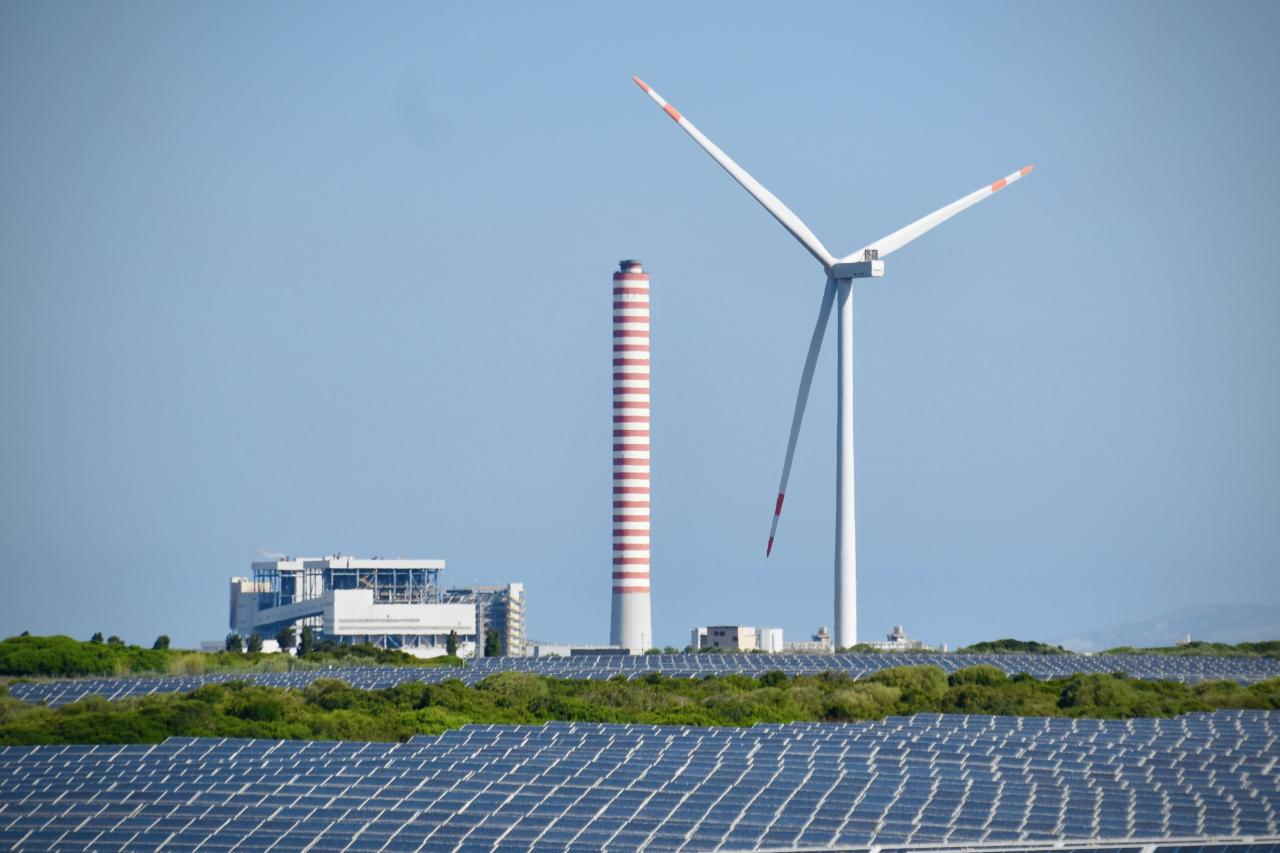
To truly decouple your business from carbon-heavy power grids, you must invest in rooftop solar arrays or small-scale wind turbines paired with modern battery storage. This setup allows your facility to generate its own clean power during the day and store the excess to run essential systems during the night or during a grid outage.
Solar technology solves the problem of “energy price volatility” by providing a fixed and reliable power source for your company for set periods.
You benefit from a sanctuary that remains operational regardless of external market shocks, which is a major selling point for clients who value reliability. I suggest that the smartest move is to pair your solar with a battery; it ensures you use every kilowatt you produce rather than selling it back to the grid for a lower price.
D. Utilizing Energy Recovery Ventilation for Healthy Air Quality
As we make buildings more airtight to save energy, we must use Energy Recovery Ventilators (ERVs) to swap stale indoor air with fresh, filtered outdoor air without losing heat. These systems capture the thermal energy from the outgoing air and transfer it to the incoming stream, maintaining a perfect temperature with minimal effort.
ERV technology solves the “stale air syndrome” problem by ensuring your team breathes oxygen-rich air that is free from pollutants and allergens.
Your property remains a premium asset because it offers a demonstrably healthier working environment than a standard, poorly ventilated office. I believe that “air health” is the next big corporate priority; buildings that provide hospital-grade air will see the highest employee retention rates.
Strategic Operational Maneuvers In Supply Chain Optimization
A. Fostering Circular Economy Principles and Waste Reduction
Modern businesses are moving away from the “take-make-dispose” model and embracing a circular approach where every waste product becomes an input for another process.
This involves recycling raw materials, refurbishing old equipment, and choosing suppliers who offer “take-back” programs for their products at the end of their life. Circular technology solves the “resource scarcity” problem by ensuring you get the maximum value out of every physical asset you purchase.
You gain a competitive edge by telling a story of responsibility and foresight that appeals to the next generation of eco-conscious consumers. I find that the real solution for reader profit is to conduct a “trash audit”; identifying what you throw away is the first step to finding hidden money in your waste stream.
B. Bridging The Gap With Sustainable Procurement and Green Logistics
Your carbon footprint includes the emissions from every supplier and delivery truck that serves your company, which is why choosing green partners is essential.
By prioritizing vendors who use electric delivery fleets or sustainable packaging, you can drastically reduce your “Scope 3” emissions without changing your internal operations. Logistics technology solves the “shipping impact” problem by optimizing routes and using cleaner fuels to move goods across the planet.
You enjoy the benefits of a leaner and more ethical supply chain that protects your brand from the reputation risks of polluting partners. My advice is to add a “sustainability score” to your vendor selection process; the companies that help you reach your goals are the ones you should keep for the long term.
C. Implementing Digital Transformation to Reduce Paper and Travel
The shift toward cloud-based document management and high-definition video conferencing has eliminated the need for millions of tons of paper and thousands of unnecessary business flights.
These digital tools allow your team to collaborate in real-time from anywhere in the world, reducing the physical footprint of your office and your travel budget. Digital technology solves the “operational friction” problem by making information accessible and meetings possible without the carbon cost of a plane ticket.
You benefit from a more agile and modern company culture that respects the time and the health of its employees. I suggest that “digital-first” is the only way to scale a modern business; it removes the physical limits of your growth while protecting the environment.
D. Optimizing Asset Lifecycle Through Predictive Maintenance
By using AI-driven sensors to monitor your machinery and vehicles, you can fix small issues before they lead to major breakdowns or inefficient energy use. Predictive maintenance ensures that every motor and heater in your facility runs at its peak performance, consuming the minimum amount of power required for the task.
Maintenance technology solves the “equipment failure” problem by extending the life of your expensive assets and preventing the need for frequent replacements.
You benefit from a more reliable and profitable operation that avoids the high carbon cost of manufacturing and shipping new industrial equipment. I believe that a well-maintained machine is a green machine; keeping your current assets in top shape is the ultimate act of conservation.
Technical Foundations Of Eco-Friendly Computing Hardware
A. Analyzing Modular Laptop Architectures and Repairability Scores
The primary weapon in the fight for a lower footprint involves the installation of modular laptops that allow users to replace individual components like batteries and screens without discarding the entire machine.
These advanced setups ensure that your office does not waste money on frequent hardware refreshes, automatically extending the life of your fleet by several years. Modular technology solves the problem of “planned obsolescence” by providing a predictable and highly efficient path for hardware maintenance.
You gain a massive advantage because the system removes the technical barriers associated with fixed, glued-in components. From my perspective, the real solution for readers is to check the “repairability score” before buying; a high score means your investment stays out of the landfill for longer.
B. Evaluating High Efficiency Energy Star Monitors and Display Panels
Modern LED monitors consume significantly less power than older models and often feature housings made from ocean-bound plastics, reducing both energy use and manufacturing impact. By integrating these with ambient light sensors, your display can automatically dim the brightness when the office has enough natural light.
Display technology solves the problem of “constant power draw” during the workday when electricity rates are often at their peak.
You enjoy a more comfortable workspace because high-quality, flicker-free screens reduce eye strain and improve employee mood. My view is that you should view every monitor as a long-term energy contract; choosing an efficient model is the ultimate way to lower overhead.
C. Implementing Low Power Thin Clients and Cloud Computing Nodes
To truly decouple your business from high-energy hardware, you must invest in thin clients that rely on centralized servers for heavy tasks. This setup allows your workstations to run on a fraction of the power required by a traditional high-end desktop, generating less heat.
Thin client technology solves the problem of “localized heat generation” which often forces your air conditioning system to work harder than necessary.
You benefit from a sanctuary that remains quiet and cool regardless of how many people are working. I suggest that the smartest move is to move your heavy processing to the cloud; it ensures you only pay for the computing power you actually use.
D. Utilizing Biodegradable and Plant Based Peripheral Casings
As we make offices more sustainable, we must use mice, keyboards, and webcams made from plant-based resins or recycled materials rather than virgin petroleum plastics. These materials offer the same tactile quality and durability as traditional versions but break down safely at the end of their life.
Material technology solves the “e-waste micro-plastic” problem by ensuring your daily tools do not contribute to long-term environmental pollution.
Your property remains a premium asset because it offers a demonstrably healthier and more tactile working environment. I believe that “tactile sustainability” is the next big corporate priority; tools that feel natural under the hand see the highest employee satisfaction rates.
Strategic Operational Maneuvers In Sustainable Printing Solutions
A. Fostering Heat Free Inkjet Technology for Lower Energy Use
Modern businesses are moving away from traditional laser printers and embracing heat-free inkjet technology that requires no warm-up time and uses less electricity. This involves a simplified internal mechanism with fewer moving parts, which reduces the frequency of mechanical failures.
Heat-free technology solves the “energy spike” problem that occurs every time a laser printer starts a job, lowering total facility power demand.
You gain a competitive edge by telling a story of responsibility and foresight that appeals to clients who value efficiency. I find that the real solution for reader profit is to look at the “total cost of ownership”; inkjet printers often have a much lower per-page cost.
B. Bridging The Gap With High Capacity Refillable Ink Tank Systems
Your carbon footprint includes the millions of plastic cartridges that end up in landfills, which is why choosing refillable ink tank systems is essential. By prioritizing printers that use high-capacity bottles instead of small cartridges, you can drastically reduce your plastic waste by up to sembilan puluh percent.
Tank technology solves the “cartridge logistics” problem by allowing you to print thousands of pages before needing a simple refill.
You enjoy the benefits of a leaner and more ethical supply chain that protects your office from the high costs of proprietary plastic cartridges. My advice is to calculate the plastic weight of your current printing habits; the companies that help you reach zero-waste are the ones you should keep.
C. Implementing Recycled Paper Stock and Digital Document Workflows
The shift toward cloud-based document management has eliminated the need for millions of tons of paper, but when you must print, you should use recycled paper. These digital tools allow your team to sign contracts and collaborate in real-time from anywhere, reducing the physical footprint of your filing cabinets.
Digital technology solves the “operational friction” problem by making information accessible without the carbon cost of shipping paper documents.
You benefit from a more agile and modern company culture that respects the time and the health of its employees. I suggest that “digital-by-default” is the only way to scale a modern business; it removes the physical limits of your growth.
D. Optimizing Asset Lifecycle Through Managed Print Services
By using AI-driven sensors to monitor your printing fleet, you can fix small issues before they lead to major breakdowns or inefficient ink use. Managed services ensure that every printer in your facility runs at its peak performance, consuming the minimum amount of resources.
Maintenance technology solves the “equipment failure” problem by extending the life of your expensive hardware and preventing the need for frequent replacements.
You benefit from a more reliable operation that avoids the high carbon cost of manufacturing and shipping new industrial gear. I believe that a well-maintained machine is a green machine; keeping your current assets in top shape is the ultimate act of conservation.
Enhancing The Human Experience Through Green Innovation
A. Fostering Mental Calm and Reducing Workplace Stress
Working in an environment designed with sustainability in mind provides a level of psychological calm that naturally improves focus and reduces cortisol levels.
Biophilic design—which integrates natural light, plants, and organic textures—solves the “office disconnection” problem by bringing the soothing power of nature into the workspace. When you surround your team with greenery and fresh air, the daily stress of the modern corporate world simply begins to fade away.
This mental shift solves the “productivity burnout” problem by making your office a true sanctuary for creativity and collaborative work.
You can finally enjoy your leadership role again, knowing that your physical environment supports the biological needs of your people. My perspective is that a “peaceful office” is a high-performance office that no amount of fancy furniture can replace.
B. Bridging The Gap Between Corporate Duty and Personal Values
The modern workforce wants to work for companies that take their environmental responsibility seriously and demonstrate real action through their daily operations. A visible commitment to carbon reduction acts as a social upgrade, signaling your integrity to the planet and your community without saying a single word.
This bridge between “profit and purpose” allows your company to navigate the world of recruitment with a level of prestige that was once considered impossible.
It removes the physical “ceiling” of being just another gray company and replaces it with the unblinking reach of a sustainable mission. You are no longer limited by the reputation of an old-fashioned polluter; you become a master of your own impact and a leader in the global transition.
C. Personalizing The Sustainability Interface For Your Team
Every employee has a different relationship with the environment, and modern digital dashboards allow you to customize how your green data is shared with your staff. You can choose to display real-time “trees saved” in the breakroom to inspire your team or keep a “strict” technical view for the facility management department.
This level of personalization ensures that the system is helpful rather than distracting or overwhelming for your specific company culture.
Giving the team a view of their “green success” solves the “disconnected worker” problem by making everyone feel like they are part of a positive movement. You curate your own financial and ecological sanctuary that feels comfortable and respectful of your unique brand and your big dreams.
D. Ensuring Absolute Standards In Ethics and Environmental Trust
As we rely more on green technology to manage our global business survival, we must ensure that these systems are ethically built and strictly respectful. This includes ensuring that the materials for your solar panels are responsibly sourced and that your recycling partners follow the highest standards of safety.
Ethical framework design solves the “greenwashing” risk for corporations by ensuring that their sustainability claims are backed by transparent and honest data.
You can lead your company with a clean conscience, knowing that your digital and physical eyes are watching out for the long-term health of the world. I believe that “Integrity-Based Sustainability” is not just a trend but a fundamental requirement for the prosperity and happiness of the modern human family.
Conclusion

Reducing your carbon footprint is the best partner for growth. It allows you to manage resources with absolute precision and data. The technology provides a faster way to achieve financial independence. You should always view green efficiency as a vital shield. Consistency in your operations ensures your company stays very smart.
The digital arena rewards those who lead with innovation today. Don’t let the noise of the world ruin your peace. A smart leader is a person who uses every tool. We are proud to see how technology removes the stress. Thank you for exploring the future of green business with us.
May your profits be high and your agents stay sharp. The global industry is moving toward a future of total safety. Enjoy the freedom and the power that smart assets provide.
Your journey toward a more secure life begins right here. Level up your business strategy and you will see results. The stadium of industrial excellence is waiting for you now.