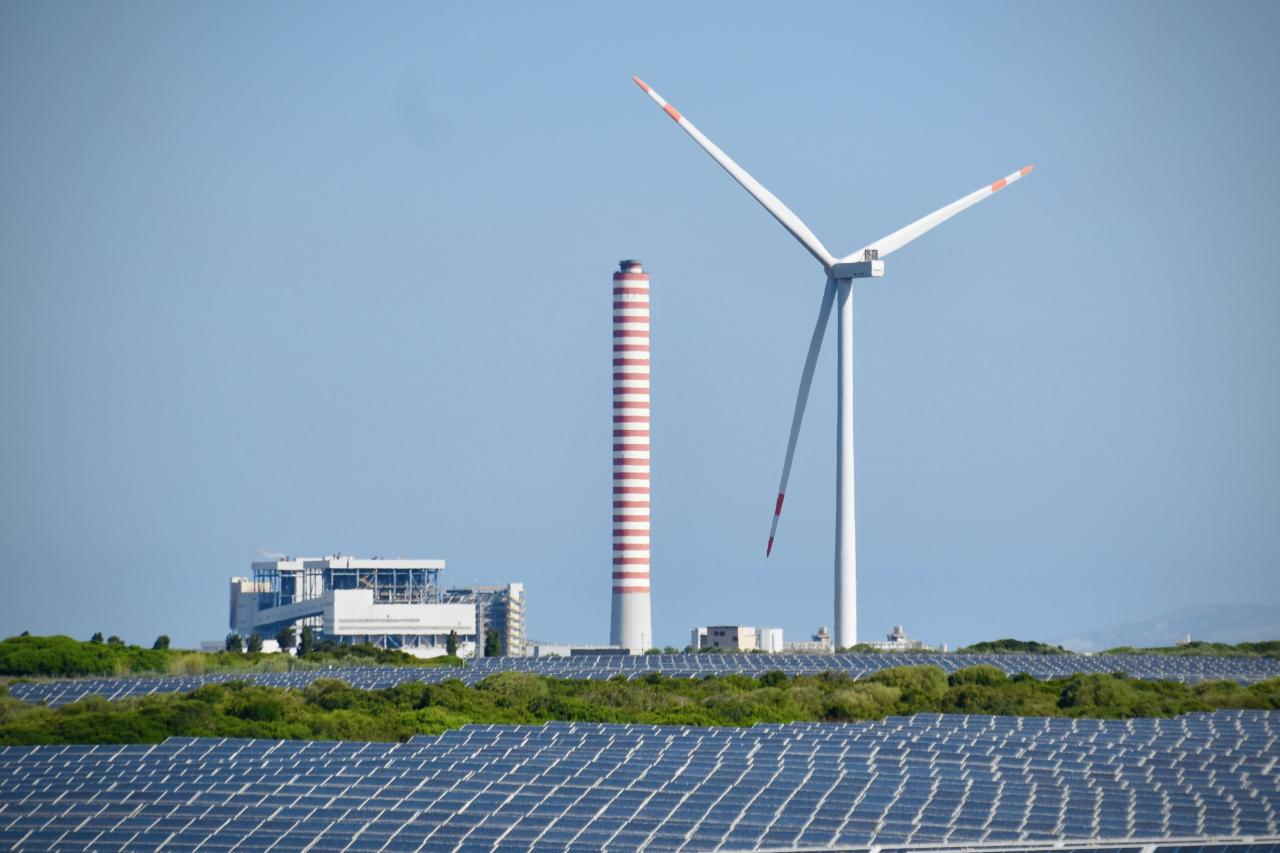
The global corporate landscape is currently undergoing a massive shift toward environmental responsibility and long-term energy resilience. For many decades, large enterprises relied exclusively on fossil fuels and inefficient power grids that created high operational costs and massive carbon footprints.
We are now entering a transformative era where renewable technology serves as a primary driver for competitive advantage and brand loyalty. This evolution means that clean energy is no longer just a moral choice but a fundamental requirement for modern business survival.
Smart companies are now integrating solar, wind, and advanced battery storage systems directly into their office buildings and manufacturing plants. By adopting these green technologies, you can significantly reduce your monthly utility bills while protecting your brand from future carbon taxes.
This article explores the essential pillars of the green energy revolution and how you can optimize your corporate infrastructure for a cleaner future.
You will discover the practical secrets that turn a traditional office into a high-performance, self-sustaining engine for professional success. Let us explore the best path toward a more sustainable and profitable journey using the power of green corporate technology.
Success in this high-speed digital economy depends on your ability to integrate the right sustainable tools into your existing business model. From mastering the transition to electric vehicle fleets to understanding the benefits of AI-driven energy management, the depth of green tech is vast.
You do not need to be an environmental scientist to build a highly efficient and sustainable workplace if you know which systems to choose. This guide breaks down complex sustainability concepts into easy and actionable tasks that you can implement starting this very week.
We will show you how to identify the most promising green features that offer the highest utility for your specific industry. You will discover why “energy independence” is the most important goal you can set to stay competitive in the modern global market.
The goal is to build a resilient company where the technology handles the efficiency while you focus on high-level innovation.
Join us as we decode the art of sustainable energy and help you master your journey toward total operational freedom. Let us explore the best ways to grow your output while you pursue your biggest and most exciting corporate goals.
Implementing Solar And Wind For On-Site Power
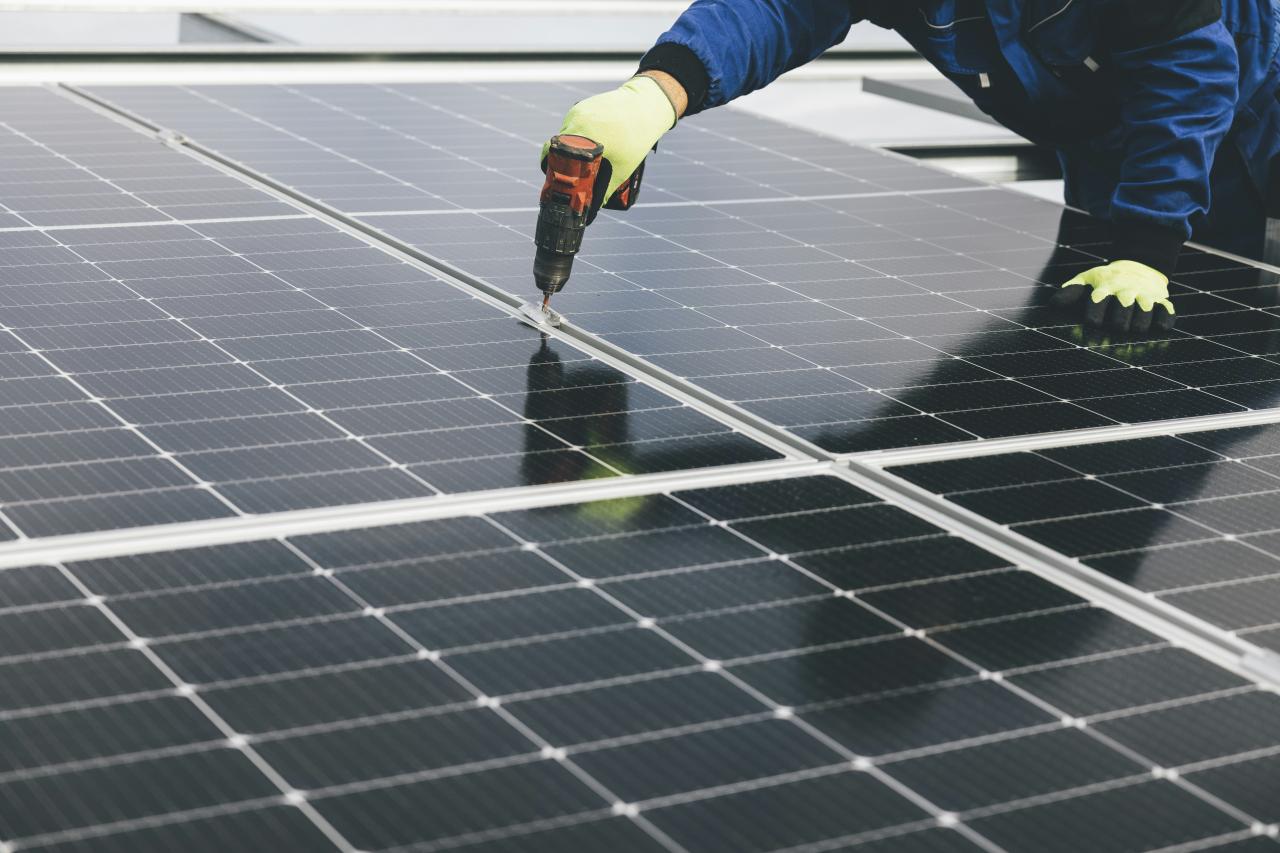
Generating your own electricity is the most effective way to shield your company from the rising prices of traditional energy. In the past, installing solar panels or wind turbines was a complicated and expensive process that only the largest corporations could afford.
Now, savvy business owners use high-efficiency solar arrays and modular wind systems to power everything from servers to heavy machinery.
These systems act as a hedge against inflation by providing a predictable and free source of power for several decades. It is a strategic move to turn your unused roof space or vacant land into a productive asset that generates wealth every day.
A. Installing commercial-grade solar panels with smart inverters to capture maximum energy during daylight hours for office operations.
B. Implementing small-scale vertical axis wind turbines in areas with consistent airflow to supplement your energy needs at night.
C. Using transparent solar glass on building facades to generate power without sacrificing the aesthetic design or natural light of the office.
D. Leveraging government tax credits and green subsidies to lower the initial cost of your renewable energy equipment and installation.
Many managers worry that renewable energy is too intermittent and might lead to power outages during critical business hours. You solve this “reliability gap” by maintaining a connection to the grid while using your on-site power as the primary source.
Think of your solar panels as a private power plant that works for you for free after the initial setup is paid off. When you generate your own clean energy, you gain total control over one of your biggest and most unpredictable monthly expenses.
Advancing Efficiency With Smart Energy Management Systems
The greenest energy is the energy you never have to use in the first place because of smart automation and monitoring. In the past, buildings wasted massive amounts of power because lights and air conditioning remained active in empty rooms throughout the night.
Now, modern corporations use AI-driven Energy Management Systems (EMS) to track and optimize power consumption in real-time across every department.
these smart sensors can automatically dim lights or adjust temperatures based on the number of people present in a specific area. It is a fundamental shift toward a “zero-waste” office where every watt of electricity serves a clear and productive purpose.
A. Deploying IoT-enabled thermostats that learn your company’s schedule and adjust the climate to save energy during weekends and holidays.
B. Using smart lighting systems with motion sensors and daylight harvesting technology to reduce electricity use by up to sixty percent.
C. Implementing real-time energy dashboards that show employees exactly how much power they are saving to encourage a culture of sustainability.
D. Utilizing AI algorithms to predict peak energy demand and shift heavy tasks to times when electricity prices are at their lowest.
The challenge with smart technology is the fear that it will be too difficult for employees to learn or manage effectively. You solve this “complexity hurdle” by choosing user-friendly platforms that automate the most difficult decisions without requiring constant human intervention.
Think of an EMS as a silent digital guardian that constantly looks for ways to save you money without interrupting your workflow. When you eliminate energy waste, you instantly increase your profit margins and improve the overall comfort of your workplace environment.
Transitioning To Electric Corporate Fleets And Logistics
Transportation is a major source of carbon emissions and fuel expenses for companies that rely on delivery services or sales teams. In the past, electric vehicles (EVs) had limited range and few charging options, making them impractical for most serious business applications.
Now, the market offers a wide variety of electric trucks, vans, and sedans that can travel hundreds of miles on a single charge.
By switching to an electric fleet, you eliminate the need for expensive gasoline and significantly reduce your long-term maintenance costs. It is a proactive way to show your clients that your company is committed to a clean and modern future.
A. Replacing traditional internal combustion vehicles with high-range EVs that can handle daily delivery routes or executive travel needs.
B. Installing fast-charging stations at your corporate headquarters to allow employees and visitors to charge their vehicles during the day.
C. Using fleet management software to optimize driving routes and reduce the total number of miles your vehicles travel every month.
D. Partnering with green logistics providers who use electric cargo bikes or drones for last-mile deliveries in crowded urban areas.
Many business owners are concerned about the high initial purchase price of electric vehicles compared to traditional gas-powered cars. You solve this “cost barrier” by analyzing the “total cost of ownership,” which includes fuel savings and the lack of expensive engine repairs.
Think of an electric fleet as a mobile advertisement for your brand’s innovation and its deep respect for the planet. When you move your logistics to the electric era, you future-proof your company against rising fuel taxes and urban emission bans.
Building A Sustainable Supply Chain With Green Partners
True corporate sustainability requires looking beyond your own walls and examining the environmental impact of your entire supply chain. In the past, companies only cared about the lowest price, regardless of how their suppliers treated the environment or used energy.
Now, successful brands prioritize partnerships with vendors who also utilize renewable energy and follow strict green manufacturing standards.
This creates a “virtuous cycle” of sustainability that increases the value of your final product in the eyes of conscious consumers. By choosing green partners, you reduce your “Scope 3” emissions and strengthen the ethical foundation of your global business operations.
A. Auditing your current suppliers to identify those who use sustainable materials and renewable energy in their production processes.
B. Choosing local vendors whenever possible to reduce the carbon emissions associated with long-distance shipping and complex global logistics.
C. Utilizing digital procurement platforms that allow you to filter for green certifications and environmental performance ratings for every vendor.
D. Collaborating with suppliers to develop new, eco-friendly packaging that reduces plastic waste and lowers your shipping weight and costs.
The problem for many businesses is the fear that switching to green suppliers will significantly increase their final product prices. You solve this “price myth” by realizing that sustainable partners often have more efficient operations that save money in the long run.
Think of your supply chain as a team; if everyone is using modern, clean technology, the whole team becomes more resilient. When you align with green partners, you build a brand that people can trust and support for many years to come.
Conclusion
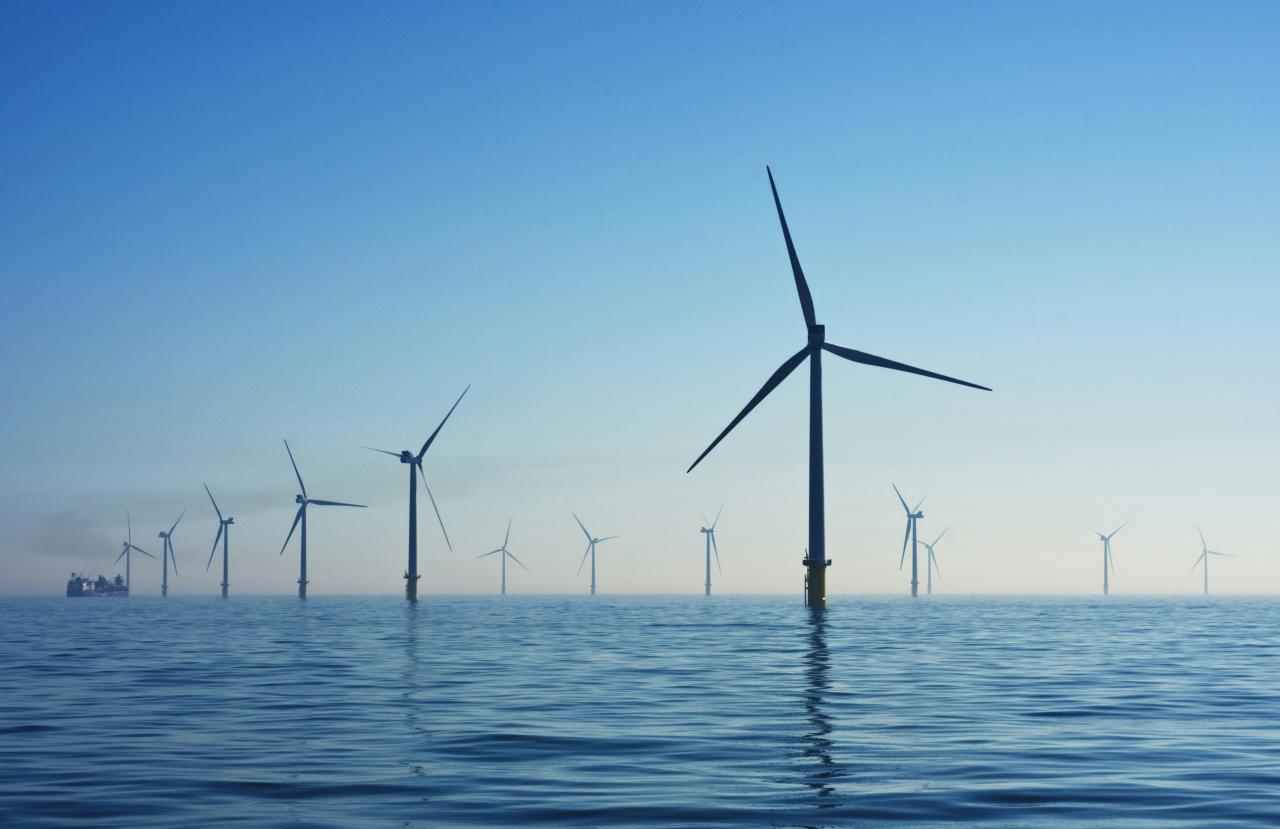
Sustainable industrial technology represents a strategic breakthrough in operational sovereignty, replacing high-emission legacy systems with innovative renewable energy harvesting and AI-driven efficiency protocols that ensure your commercial engine wins today.
By integrating high-capacity rooftop solar arrays and intelligent waste-tracking algorithms into your daily flow, you can effectively eliminate the risks of volatile energy pricing and resource mismanagement while benefiting from the increased stability of an electrified and fossil-fuel-free vehicle fleet.
Taking immediate action to audit your supply chain partnerships and adopting a logic-based mission to utilize smart-lighting and energy-monitoring tools allows you to reclaim your economic freedom, grow your environmental prosperity, and secure a lasting legacy through a clean and technically dominant infrastructure.
The path to a successful and high-performance business life is clear when you use natural resource optimization and generative AI monitoring as your primary tools to fuel rapid progress and achieve ultimate stability starting today.