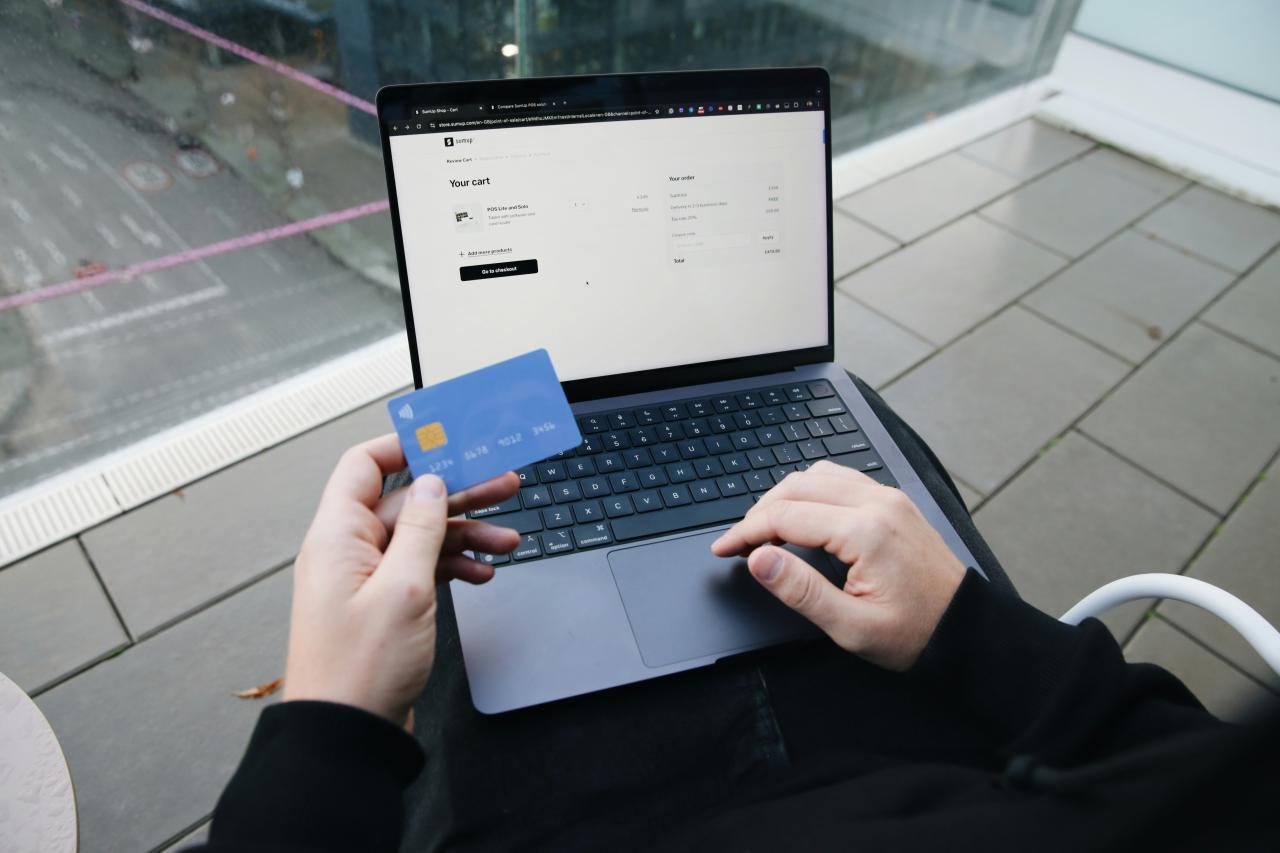
The expansion of digital commerce into international markets has created immense opportunities for businesses to reach a global audience with ease. For many decades, small and medium enterprises struggled to accept payments from overseas due to the high costs and technical complexities of cross-border banking.
This traditional model of international finance often involved multiple intermediary banks, each taking a significant percentage of the transaction as a hidden fee.
However, the emergence of sophisticated fintech platforms and blockchain-based payment rails now allows companies to move money across borders at a fraction of the cost.
This transition represents a monumental shift from relying on legacy banking systems to utilizing agile, digital-first payment solutions that prioritize speed and transparency. We are entering an era where real-time currency conversion and localized payment methods serve as the primary foundations for profitable global trade.
This innovation addresses the critical challenge of margin erosion by providing businesses with the tools to keep more of their hard-earned revenue. By mastering the art of global payment optimization, you can transform your international sales from a logistical headache into a streamlined engine for sustainable growth.
This article explores the most effective and proven methods to lower your processing costs while enhancing your company’s global reach and customer satisfaction.
Understanding the Hidden Costs of Cross-Border Payments

When you process a payment from a customer in another country, several different fees often hide beneath the surface of the transaction. These include interchange fees, assessment fees, and the most significant cost of all: the currency conversion markup.
I believe that “fee transparency” is the best way to solve the problem of disappearing profits in international sales. You solve the problem of hidden charges by demanding a “pass-through” pricing model from your processor so you see exactly what you pay for every step.
This perspective turns your payment data into a strategic asset that allows you to negotiate better rates as your transaction volume grows.
A. Interchange and Assessment Fees
Credit card networks charge these fees to cover the cost of processing and the risk of fraud. International transactions usually carry higher interchange rates because the risk of a cross-border dispute is considered higher by the issuing banks.
B. Currency Conversion Markups
Most processors add a “spread” of one to three percent on top of the mid-market exchange rate when converting foreign currency. This hidden fee can quietly drain thousands of dollars from your annual revenue if you do not monitor it closely.
C. Cross-Border Surcharges
Payment gateways often apply an extra percentage just because the customer’s card was issued in a different country. Understanding these specific line items allows you to compare different providers more accurately and choose the most cost-effective partner.
Leveraging Local Acquiring to Minimize Fees
Local acquiring involves processing transactions through a bank located in the same country or region as your customer. This strategy allows you to avoid international “cross-border” fees entirely because the card network treats the transaction as a domestic one.
My new perspective is that “geographic decentralization” is the secret to solving the problem of high interchange costs in major markets like Europe or Asia.
You solve the problem of fee inflation by setting up local legal entities or using a payment partner that has domestic licenses in your top-selling regions. This perspective ensures that you provide a smoother experience for your customers while keeping your internal costs as low as possible.
A. Reduced Interchange Rates
Domestic transactions almost always have significantly lower interchange fees than international ones. In some regions like the European Union, these rates are legally capped, providing a massive cost advantage for businesses using local acquiring.
B. Higher Transaction Approval Rates
Local banks are more likely to trust and approve a transaction that originates from within their own borders. This reduces the number of “false declines” that frustrate customers and lead to lost sales for your business.
C. Avoidance of Scheme Fees
Card networks like Visa and Mastercard apply specific “scheme fees” to transactions that cross international borders. By processing locally, you bypass these additional costs, directly improving your net profit on every foreign sale.
Optimizing Currency Management Strategies
Managing multiple currencies requires a proactive approach to avoid losing money during every market fluctuation. Instead of converting every sale back to your home currency immediately, you can hold funds in “multi-currency accounts” to pay global suppliers or wait for better exchange rates.
I suggest that “natural hedging” is the ultimate tool for solving the problem of currency volatility that eats into your margins.
You solve the problem of expensive conversions by keeping your revenue in its original currency and using it to cover your international business expenses. This perspective turns your global revenue into a flexible tool for managing your international operations without constant banking friction.
A. Multi-Currency Settlement
Choose a payment processor that allows you to settle in the same currency the customer paid in. This prevents an automatic and often expensive conversion by the processor, giving you total control over when and how you move your money.
B. Monitoring the Mid-Market Rate
Always compare the rate offered by your bank or processor against the real-time mid-market rate found on independent financial sites. This knowledge gives you the leverage to ask for a “tighter” spread and reduce the hidden costs of every transaction.
C. Batching Foreign Exchange Transfers
Instead of converting small amounts every day, wait until you have a larger sum to move across borders. Many FX providers offer lower percentage fees for larger transactions, allowing you to benefit from economies of scale in your currency management.
Implementing Local Payment Methods (LPMs)
In many parts of the world, credit cards are not the preferred way to pay for goods and services online. Using local payment methods like digital wallets, bank transfers, or QR code payments can be much cheaper than traditional card processing.
I believe that “cultural payment alignment” is the best way to solve the problem of low conversion rates and high fees in emerging markets. You solve the problem of expensive card networks by offering the methods your customers already know and trust.
This perspective not only lowers your costs but also opens your business to millions of customers who may not have a traditional credit card.
A. Digital Wallets and Super-Apps
Platforms like Alipay, WeChat Pay, and GrabPay often have lower processing fees than Western credit card networks. Integrating these into your checkout process can reduce your overall transaction costs while making the purchase easier for your customers.
B. Direct Bank Transfers (A2A)
Account-to-account (A2A) payments move money directly from the customer’s bank to yours, bypassing the credit card infrastructure entirely. These transactions are often nearly instant and carry a flat fee that is much lower than a percentage-based card fee.
C. Buy Now, Pay Later (BNPL) Integration
While BNPL providers charge a higher fee, they often lead to much larger order sizes and higher conversion rates. Balancing these costs with traditional low-fee methods ensures that your payment strategy supports both volume and profitability.
Reducing Chargebacks and Fraud Costs
International fraud is a major concern that can lead to expensive chargeback fees and the total loss of the goods shipped. AI-powered fraud detection tools can analyze hundreds of data points in real-time to block suspicious transactions before they are processed.
My new perspective is that “pre-emptive security” is the secret to solving the problem of “hidden” processing costs like dispute fees and lost inventory.
You solve the problem of high-risk sales by using 3D Secure technology to shift the liability for fraud back to the card-issuing bank. This perspective protects your bottom line and ensures that your processing history remains clean, which helps you negotiate lower rates in the future.
A. 3D Secure 2.0 Implementation
This technology adds an extra layer of authentication for the customer, such as a fingerprint or a one-time password. Not only does this reduce fraud, but it also lowers your processing fees by moving the transaction into a “lower risk” category.
B. AI-Driven Risk Scoring
Modern payment gateways assign a risk score to every transaction based on the user’s location, device, and buying patterns. This allows you to automatically flag high-risk international orders for manual review before you ship any expensive products.
C. Automated Dispute Management
If a chargeback does occur, use automated software to compile the evidence needed to win the dispute. Winning more disputes means you get to keep your revenue and avoid the “penalty fees” that banks charge for high chargeback rates.
Choosing the Right Payment Processor
Not all payment processors are created equal, and many have fee structures that are intentionally confusing for small business owners. It is essential to look beyond the “headline rate” and understand the total cost of ownership, including setup fees, monthly minimums, and payout costs.
I suggest that “comparative auditing” is the ultimate tool for solving the problem of overpaying for payment services.
You solve the problem of bad contracts by requesting quotes from at least three different providers and asking them to match or beat their competitors’ rates. This perspective ensures that you always have the most competitive deal in the market as your business evolves and grows.
A. Interchange-Plus vs. Tiered Pricing
Interchange-plus pricing is almost always better for your business because it shows you the exact cost from the card network plus a fixed markup from the processor. Avoid tiered pricing, which often hides expensive fees inside “non-qualified” categories that are difficult to track.
B. Evaluating Global Gateway Features
A good global gateway should offer smart routing, which automatically sends a transaction to the bank most likely to approve it at the lowest cost. This intelligence saves you money on every click without requiring any manual effort from your team.
C. Volume-Based Discounting
As your business grows, you have more power to negotiate. Most processors have “unpublished” rates for high-volume merchants, so never be afraid to ask for a discount once you reach a certain monthly sales milestone.
Utilizing Fintech and Neobanks for Payouts
Traditional banks often charge high fees for receiving international wire transfers and have slow processing times. Neobanks and specialized fintech companies offer virtual bank accounts in multiple countries, allowing you to receive “local” payments and move money at the real exchange rate.
I believe that “neobanking agility” is the best way to solve the problem of slow and expensive payout cycles. You solve the problem of banking bureaucracy by using digital platforms that integrate directly with your accounting software and provide instant visibility into your cash flow.
This perspective allows you to manage your global finances with the same speed and ease as a local business.
A. Virtual Local Bank Accounts
Fintech providers can give you a local IBAN in Europe or a routing number in the US even if you don’t live there. This allows your global customers to pay you via a local bank transfer, which is free or very cheap compared to an international wire.
B. Real-Time Payout Options
Some modern processors offer “instant payouts,” moving your funds from the gateway to your bank account in minutes rather than days. This improved cash flow allows you to reinvest in your business faster and reduces your need for short-term loans.
C. Automated Reconciliation
Neobanks often have better APIs that connect your sales data directly to your bookkeeping tools. This automation saves your accounting team hours of manual work every month, effectively reducing your administrative costs as you scale globally.
Future-Proofing Your Global Payment Stack
The world of digital payments changes fast, with new technologies like blockchain and central bank digital currencies (CBDCs) promising even lower costs in the future. Building a flexible “payment stack” that allows you to add or remove different providers easily ensures that you can always take advantage of the latest innovations.
My new perspective is that “modular financial architecture” is the secret to solving the problem of being locked into an outdated and expensive banking relationship.
You solve the problem of technical debt by using “orchestration layers” that sit on top of your different payment methods and manage them for you. This perspective ensures that your business remains agile and profitable no matter how the global financial landscape shifts.
A. Adopting Payment Orchestration Platforms
These tools allow you to manage multiple payment gateways through a single integration. If one provider raises their fees or has a technical failure, you can switch your traffic to a different partner with just a few clicks.
B. Exploring Blockchain Payment Rails
Cryptocurrency and stablecoins offer a way to move value across borders almost instantly with near-zero fees. While still early, integrating these options for certain B2B transactions can save your company a fortune in traditional banking costs.
C. Continuous Performance Monitoring
Set up a monthly “payment audit” to review your approval rates, fee percentages, and fraud levels. This constant attention to detail ensures that you catch small issues before they turn into expensive problems and that you are always getting the best possible ROI.
Conclusion
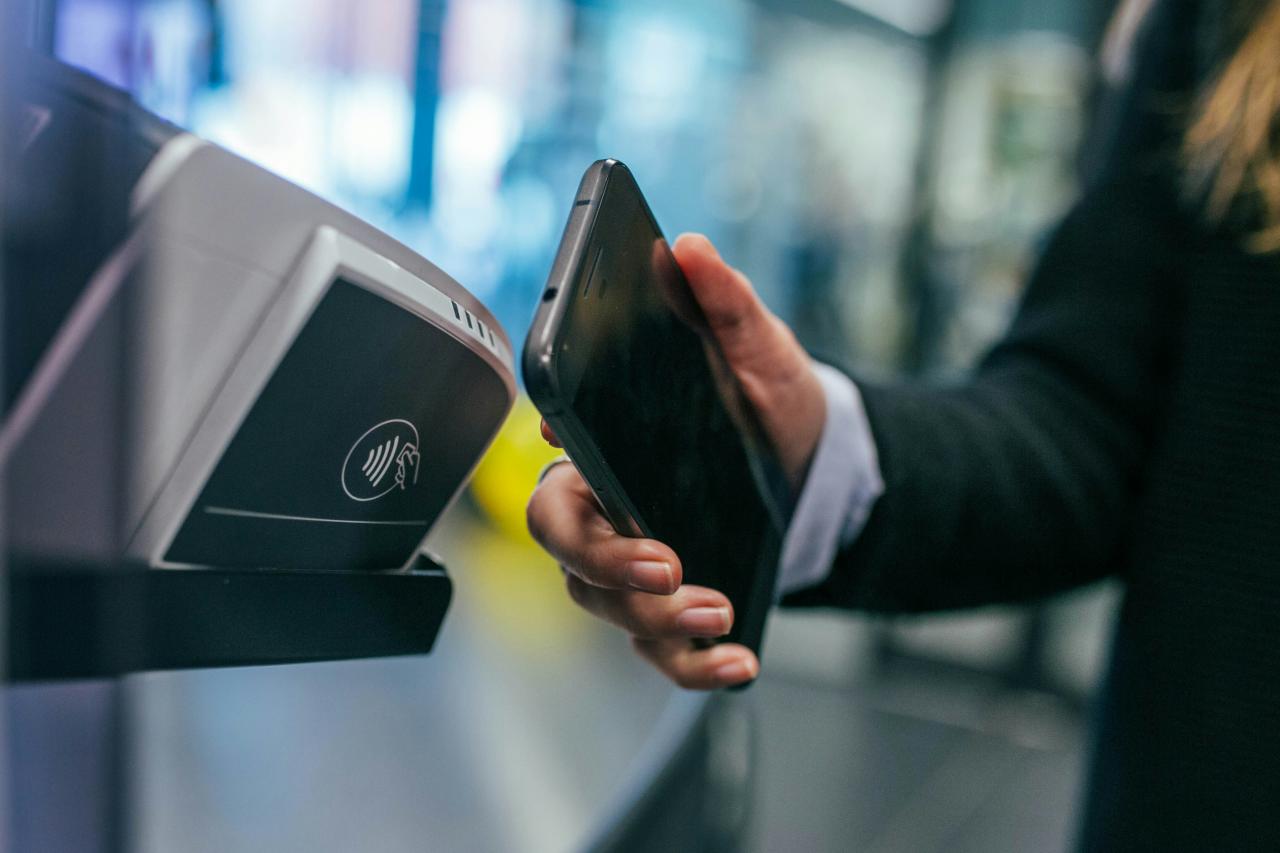
Global payments are smart. You must act fast. The market is ready. Good plans help you. You solve your work. Your brand wins today. Old bank rules fail. New digital tools win. You save your cash. Flow tracking is key. Safe saves build life. You grow your wealth.
Visual flow is strong. Innovation is a win. Your company stays safe. Every choice is good. The best time starts. You make the move. Support your success now. Stay curious about money. Read new tips daily. The journey starts here. You find your freedom.
Hidden fees die soon. High risk is gone. Low costs are here. You breathe very easy. Start your new plan. Test the tools today. Ask for a deal. Your future is bright. You own your time. Software is your tool. Do not wait long. The market is ready. You are the boss. Wealth starts with action. Keep your eyes open. The path is clear.
Small steps lead far. Big wins come soon. You reach the goal. A clean slate arrives. Believe in your power. You can do it. Efficiency fuels your growth. Automation is your edge. Success comes to you. Better tools mean more. Invest in your team. Scale your vision fast.